San Diego Pacific Crest Services Blog
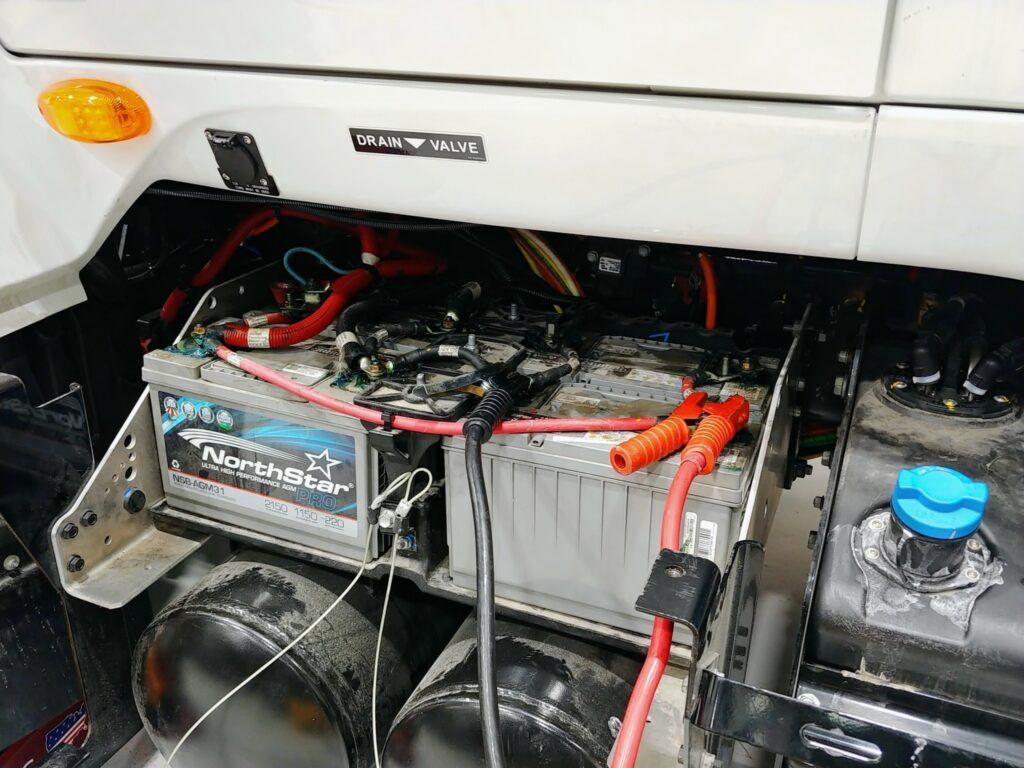
Semi Truck Battery Problems in Cold Weather: Why Your Truck Won’t Start & How to Prevent It If your semi truck won’t start in cold weather, you’re not alone. Every winter, fleets and owner-operators deal with battery failures, slow cranking, and electrical issues that lead to expensive downtime. Cold weather doesn’t create battery problems — it exposes weak ones. At San Diego Pacific Crest Services, we see a major increase in commercial truck battery service calls whenever temperatures drop. Understanding how cold affects your heavy-duty truck batteries can help you prevent roadside breakdowns and lost revenue. Why Cold Weather Causes Semi Truck Battery Problems Heavy-duty diesel engines require significantly more cranking power than passenger vehicles. When temperatures drop, your battery’s ability to produce power drops as well. 1. Cold Temperatures Reduce Battery Capacity Semi truck batteries rely on a chemical reaction between lead plates and sulfuric acid. Cold weather slows that reaction down. Battery performance by temperature: 80°F = 100% capacity 32°F = About 65% capacity 0°F = 40% capacity or less This means your battery can lose over half its starting strength overnight. 2. Diesel Engines Require More Cranking Power in Winter While your battery is weaker: Engine oil thickens Internal engine resistance increases Compression requires more force Emissions systems cycle longer So your battery is producing less power at the exact time your engine demands more power. That imbalance is one of the main reasons for semi truck no-start conditions in cold weather. 3. Modern Semi Trucks Depend on Stable Voltage Today’s commercial trucks rely heavily on electronics, including: Engine control modules (ECMs) DEF and aftertreatment systems Inverters APUs Bunk heaters Liftgates Low voltage can cause: Random fault codes Communication failures between modules Derate conditions Hard starting or complete no-start Many “electrical problems” turn out to be weak battery issues. 4. Parasitic Battery Drain Is Worse in Winter Even when parked, trucks draw power from: ECM memory Security systems Refrigeration units Telematics Inverters A battery that survives overnight in summer may fail in winter. This is one of the most common causes of cold weather truck starting issues. Warning Signs of Failing Semi Truck Batteries Watch for these early indicators: Slow or uneven cranking Clicking when turning the key Needing frequent jump starts Headlights dimming during crank Voltage below 12.4V at rest Unexplained electrical glitches Important: In a multi-battery system, one weak battery can pull down the entire bank. How to Prevent Semi Truck Battery Failure in Cold Weather Load Test Batteries Before Winter Voltage alone does not tell the full story. Batteries must be tested under load. Replace Batteries as a Matched Set Mixing old and new batteries shortens lifespan and causes imbalance. Clean and Tighten All Connections Corrosion increases resistance and reduces available cranking amps. Verify Charging System Output Normal alternator output should range between 13.5–14.5 volts while running. Limit Hotel Loads Without Engine Running Inverters and bunk heaters can drain batteries quickly in cold conditions. Consider Battery Blankets in Extreme Cold Keeping batteries warmer preserves cranking power. How Long Do Heavy-Duty Truck Batteries Last? Typical lifespan: 3–5 years in mild climates 2–3 years in extreme heat or cold Preventative replacement is significantly cheaper than roadside service, towing, or a missed load. The Real Cost of Ignoring Truck Battery Health A weak battery doesn’t just cost the price of replacement. It can cost: Missed deliveries Emergency roadside service Towing fees Downtime Lost customer trust In trucking, reliability equals profitability. Professional Semi Truck Battery Service in San Diego If your semi truck struggles to start in cold weather, don’t wait until you’re stranded. San Diego Pacific Crest Services provides: Heavy-duty battery testing Complete battery bank replacement Charging system diagnostics Electrical system troubleshooting 24/7 roadside service We keep trucks moving — day or night. Need Reliable Commercial Truck Battery Service? Contact San Diego Pacific Crest Services today for expert semi truck battery diagnostics and replacement. Prevent downtime. Protect your revenue. Stay on the road.
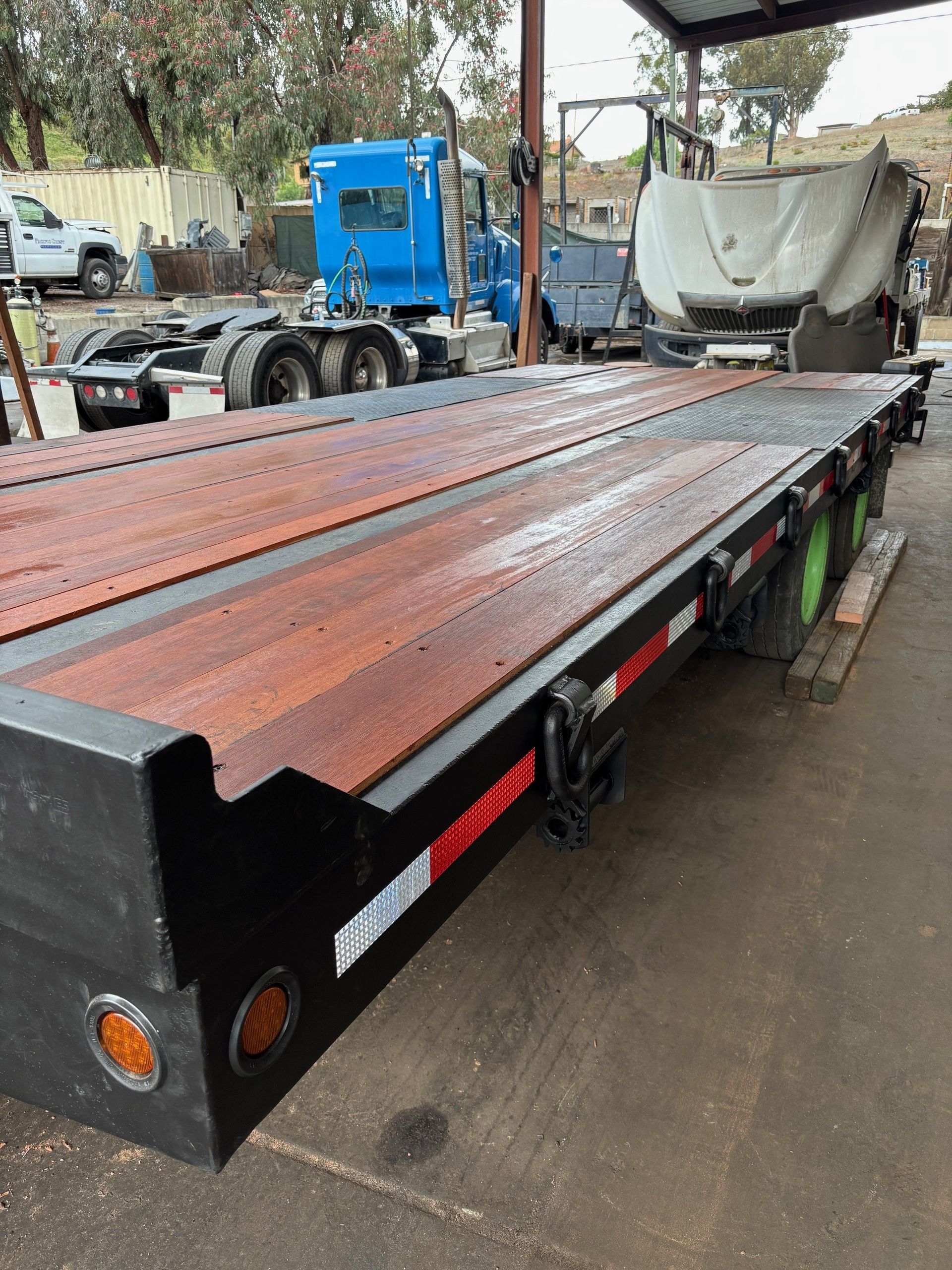
Professional Trailer Repairs by San Diego Pacific Crest Services Semi-trailers are major investments, and two of the most critical—but often neglected—components are the trailer roof and the Apitong hardwood deck. When either one begins to fail, the results can include cargo damage, DOT violations, safety risks, and costly downtime. At San Diego Pacific Crest Services, we specialize in semi-trailer roof replacement and Apitong deck replacement for fleets and owner-operators who need durable, long-term repairs—not temporary fixes. When Does a Semi-Trailer Roof Need Replacement? Trailer roofs are constantly exposed to sun, rain, debris, and structural stress. Over time, even small issues can turn into major failures. Common Signs of Trailer Roof Failure Water leaks or interior staining Cracked, punctured, or delaminated roof panels Failed seams or loose rivet lines Rusted or damaged roof bows Ongoing condensation inside the trailer If leaks continue after resealing, a full trailer roof replacement is often the only reliable solution. Our Semi-Trailer Roof Replacement Process At San Diego Pacific Crest Services, we don’t cut corners. Every roof replacement is performed with durability and safety in mind. 1. Roof Removal & Structural Inspection The existing roof panel is removed, allowing full access to roof bows, side rails, and fasteners. 2. Structural Repairs Any damaged or corroded roof bows, rails, or supports are repaired or replaced before installing the new roof. 3. New Roof Installation We install high-quality replacement roof panels using proper fastening, alignment, and sealant application to prevent future leaks. 4. Final Sealing & Water Testing All seams are sealed and tested to ensure long-term weather protection. A properly installed roof should last years, not months. Apitong Decking Replacement: Why It Matters Apitong hardwood decking is the industry standard for flatbed and drop-deck trailers because of its exceptional strength and durability. However, even Apitong has a service life—especially under heavy forklift traffic and constant loads. Benefits of Apitong Decking Extremely dense, high-strength hardwood Resistant to rot, moisture, and insects Excellent load-bearing capacity Ideal for flatbeds, step decks, and drop decks Signs Your Apitong Deck Needs Replacement Deck damage is a serious safety issue. Watch for: Soft or rotting boards Cracks, splits, or excessive wear Loose or missing deck fasteners Warped or uneven boards Rust bleeding through wood from crossmembers Forklift damage that compromises deck thickness When multiple boards are failing, a complete Apitong deck replacement is the safest and most cost-effective option. Our Apitong Deck Replacement Process 1. Deck Removal Old decking and fasteners are removed to expose the trailer crossmembers. 2. Crossmember Inspection Crossmembers are inspected for cracks, rust, or structural damage. Any issues are addressed before new decking is installed. 3. New Apitong Installation Premium Apitong boards are installed with proper spacing, orientation, and fastening to prevent movement and premature splitting. 4. Final Safety Inspection Tie-downs, edges, and transitions are checked to ensure the trailer is safe for cargo and forklift operations. Why Choose San Diego Pacific Crest Services? With over 40 years of experience, San Diego Pacific Crest Services is trusted by fleets and owner-operators for high-quality trailer repairs. ✔ 24/7 emergency service ✔ Experienced heavy-duty technicians ✔ Fleet and owner-operator support ✔ Long-term repair solutions, not shortcuts ✔ Trailer roof, deck, and structural repairs under one roof We understand that downtime costs money. Our goal is to get your trailer back on the road safely and reliably. Protect Your Trailer Investment Ignoring roof leaks or deck deterioration only leads to bigger repairs and unexpected downtime. Proactive replacement helps: Prevent cargo damage Improve DOT compliance Extend trailer service life Reduce emergency breakdowns Keep your equipment earning Schedule Trailer Roof or Apitong Deck Replacement Today If your trailer roof is leaking or your Apitong deck is showing signs of wear, don’t wait for a failure. 📞 Call San Diego Pacific Crest Services today to schedule an inspection or repair. 🕒 24/7 service available for fleets and owner-operators. 🚛 Keeping your trailers safe, compliant, and road-ready.
Introduction As roads become increasingly crowded with heavy-duty vehicles, ensuring their safety and emission compliance becomes paramount. To address this concern, governments around the world have been implementing Heavy-Duty Inspection and Maintenance (HD I/M) regulations. These regulations mandate regular testing and maintenance for heavy-duty vehicles to maintain optimal safety and minimize environmental impact. Starting from October 31, 2022, new periodic HD I/M testing requirements have been introduced to enhance the safety and efficiency of these vehicles. Understanding HD I/M Regulations Heavy-duty vehicles, including trucks, buses, and commercial fleets, play a vital role in transporting goods and people across vast distances. However, due to their size and complexity, they can pose significant risks if not properly maintained. HD I/M regulations aim to ensure that these vehicles meet certain safety and emission standards, reducing the chances of accidents and environmental harm. The New Periodic HD I/M Testing Requirements Starting from October 31, 2022, new periodic HD I/M testing requirements have been put into effect, marking a significant step towards road safety and environmental protection. These regulations stipulate that heavy-duty vehicles must undergo regular testing and maintenance at specified intervals. The goal is to identify potential issues, address them promptly, and ensure that vehicles are in compliance with safety and emission standards. Key Components of Periodic HD I/M Testing Safety Inspection : Safety is of utmost importance when it comes to heavy-duty vehicles. Periodic safety inspections assess crucial components such as brakes, suspension systems, steering mechanisms, lights, and tires. By identifying and repairing any faulty parts, these inspections help prevent accidents caused by mechanical failures. Emission Testing : Heavy-duty vehicles are notorious for their emissions, which can contribute to air pollution and environmental degradation. Emission testing is a critical part of HD I/M regulations, as it ensures that vehicles meet established emission standards. If a vehicle fails emissions testing, it is required to undergo repairs and retesting before it can be deemed roadworthy. Maintenance Records : In line with the new regulations, heavy-duty vehicle owners and operators are required to maintain comprehensive maintenance records. These records should detail all maintenance and repairs performed on the vehicle, including dates, descriptions of work done, and parts replaced. This documentation not only ensures compliance but also provides a clear history of the vehicle's maintenance, which can be useful for troubleshooting and resale purposes. Benefits of Periodic HD I/M Testing Enhanced Road Safety : By identifying and addressing potential safety issues, HD I/M testing contributes to safer roads for all users. This reduces the risk of accidents caused by mechanical failures and inadequate maintenance. Environmental Protection : Emission testing helps reduce the environmental impact of heavy-duty vehicles. By ensuring compliance with emission standards, these regulations aid in controlling air pollution and promoting cleaner air quality. Extended Vehicle Lifespan : Regular maintenance and timely repairs extend the lifespan of heavy-duty vehicles. This not only maximizes the return on investment for vehicle owners but also reduces the need for premature replacements, benefiting both the economy and the environment. Conclusion The introduction of new periodic HD I/M testing requirements from October 31, 2022, signifies a crucial step forward in ensuring the safety and environmental responsibility of heavy-duty vehicles. By mandating regular safety and emission inspections, these regulations contribute to safer roads, cleaner air, and more sustainable transportation systems. As governments and industries continue to work together to implement and adhere to HD I/M regulations, the overall impact on road safety and the environment is expected to be significant.
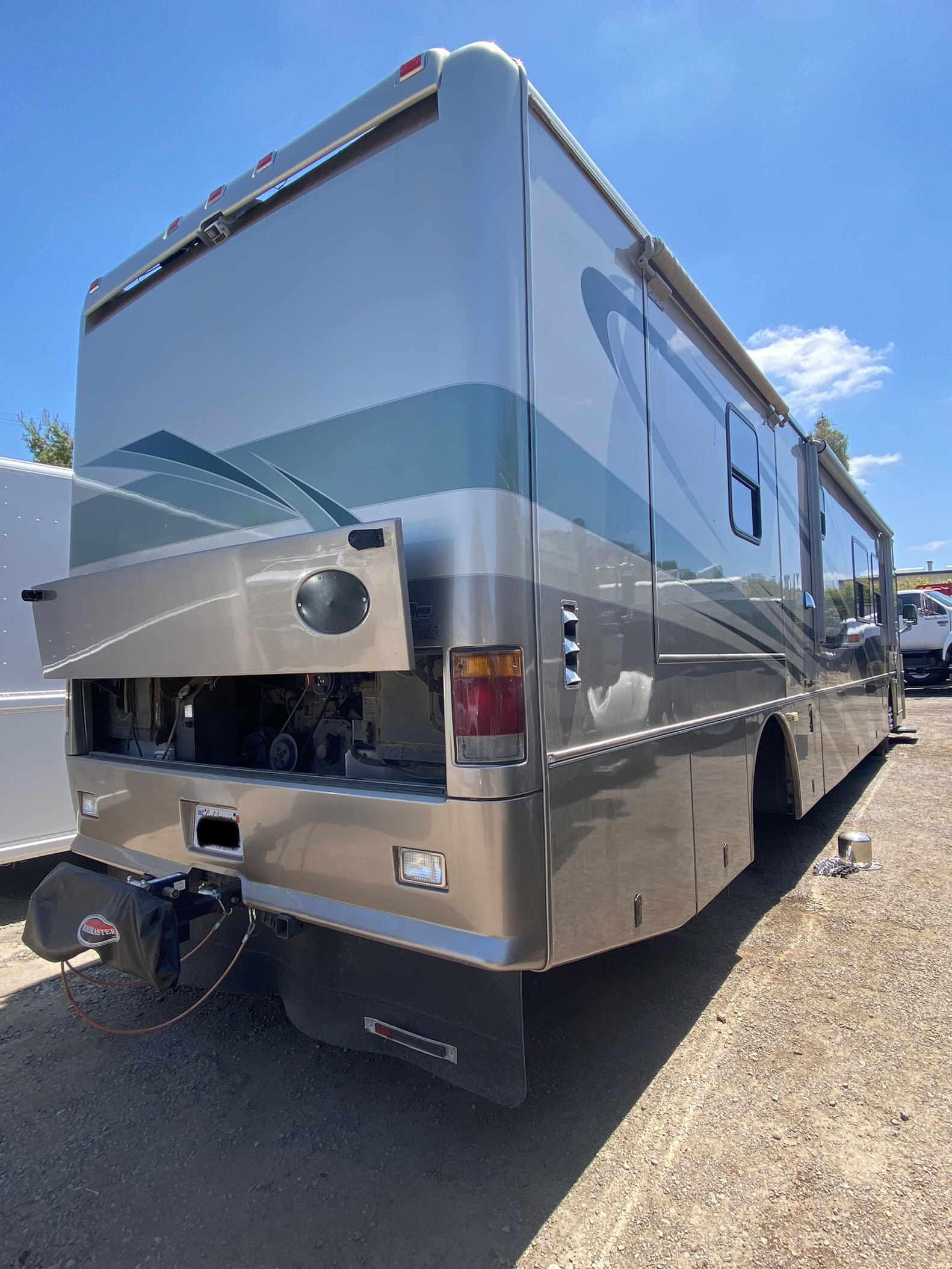
Embarking on an RV journey promises freedom, adventure, and unforgettable experiences. However, sometimes things don't go as planned, and your beloved home on wheels may break down unexpectedly. While it may seem like a daunting situation, it's essential to stay calm and remember that even a breakdown can be turned into an opportunity for new discoveries and unexpected adventures. In this blog post, we'll explore some essential steps to take and exciting things to do if your RV ever finds itself stranded.
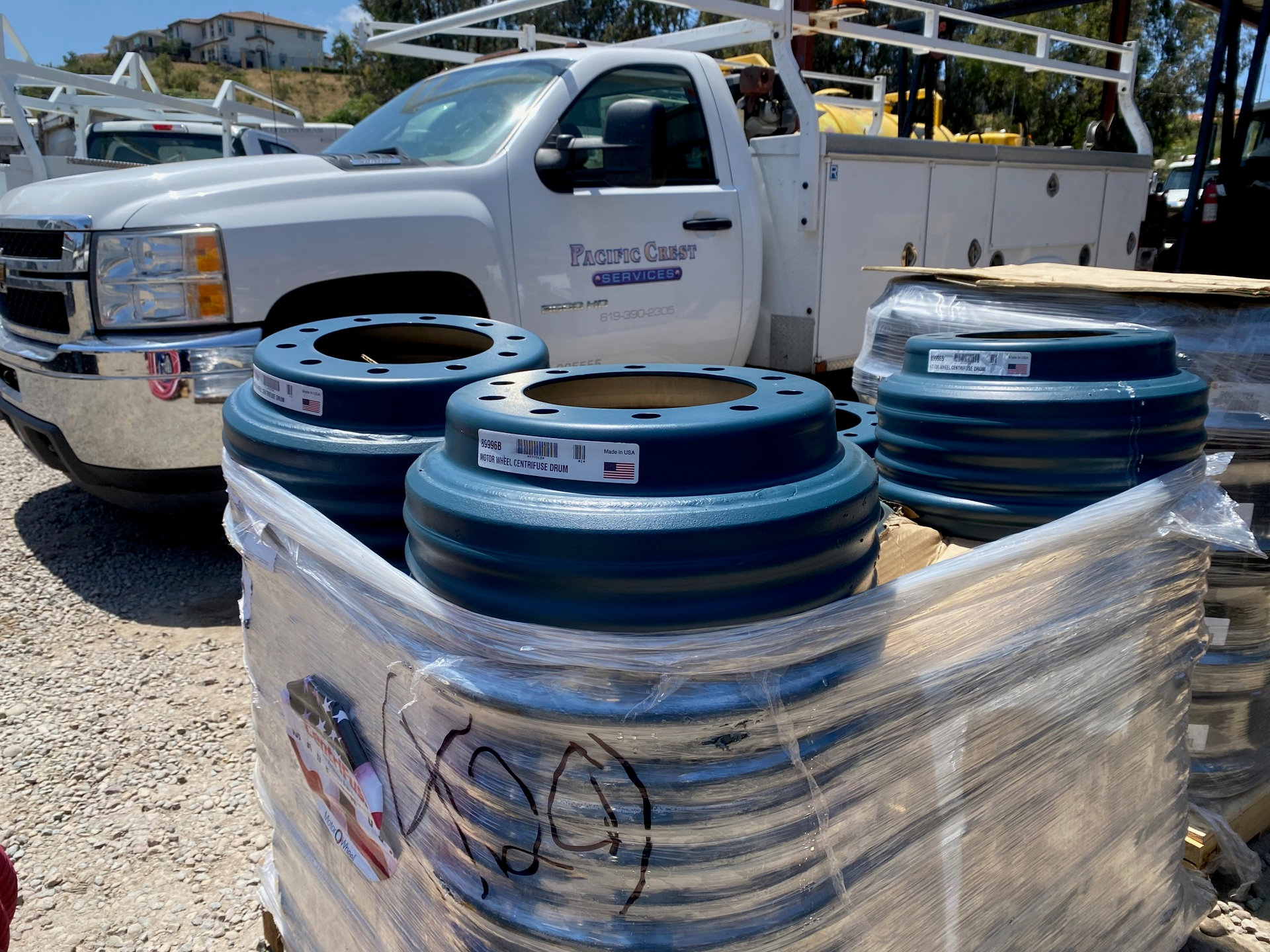
The importance of regular semi-truck brake maintenance, the key components to inspect, and some best practices to keep your brakes in top-notch condition.